

Учеба в Финляндии
Переезд в Финляндию, а именно в Лаппеэнранту, ради учебы стал для меня уникальным опытом, который полностью изменил мое мировоззрение. Как студент Лаппеэнрантского технологического университета (LUT) по направлению компьютерных наук и искусственного интеллекта, я открыл для себя страну, где невероятно ценят образование, технологии и личную независимость.
Академическая жизнь и учебный процесс
Учеба в Лаппеэнранте, это погружение в дружелюбную к студентам систему образования. Все курсы отлично организованы, а процесс обучения ориентирован не только на сдачу экзаменов, но и на практические проекты, домашние задания и развитие самостоятельного мышления. Профессора ожидают от студентов ответственности за свои результаты, что поначалу казалось сложным, но в итоге принесло огромную пользу.
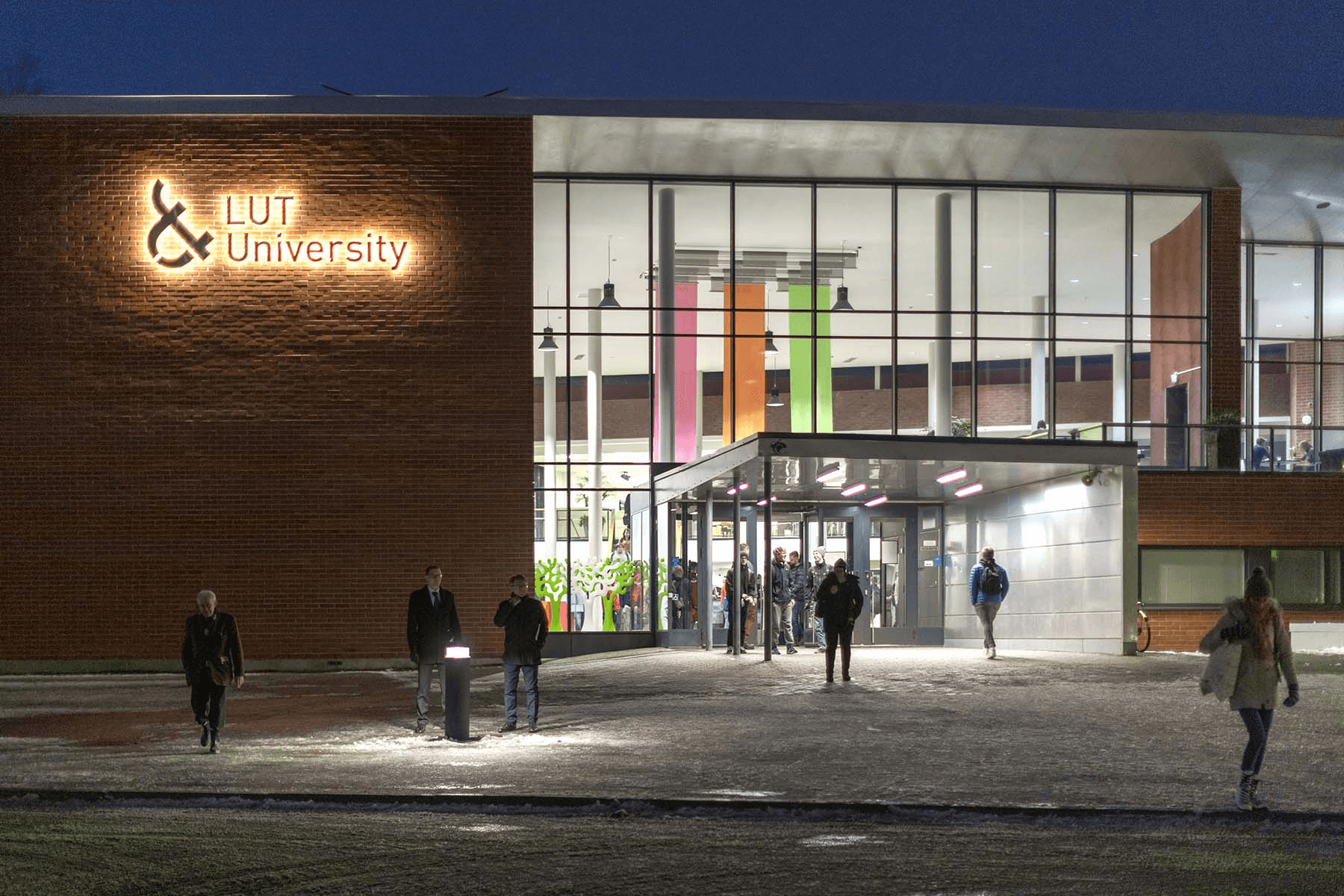
В технических областях, таких как программирование, математика и искусственный интеллект, практика играет ключевую роль. Групповые проекты, задания по написанию кода и регулярный текущий контроль помогают развивать реальные навыки решения задач, а не просто зазубривать теорию. Отношения между студентами и преподавателями здесь неформальные и уважительные, поэтому всегда можно легко задать вопрос или попросить о помощи.
Жизнь в Лаппеэнранте
Лаппеэнранта, небольшой, но очень уютный и удобный студенческий город. Всё находится совсем рядом: университет, студенческие общежития, супермаркеты, спортивные залы и библиотеки. Благодаря этому повседневная жизнь проходит просто и без лишнего стресса, что особенно важно для иностранных студентов.
Общественный транспорт работает безупречно, однако многие студенты предпочитают ходить пешком или ездить на велосипеде. Природа здесь, часть жизни: город окружен озерами, лесами и свежим воздухом. Жизнь с природой отлично помогает восстанавливать силы и поддерживать ментальное здоровье во время учебы.
Студенческое жилье и стоимость жизни
Студенческое жилье в Лаппеэнранте относительно доступно по сравнению с крупными европейскими мегаполисами. Многие ребята живут в совместных квартирах (shared apartments), и это прекрасный способ познакомиться со студентами из самых разных стран и культур.
Цены на жизнь поначалу могут показаться высокими, особенно на продукты питания, однако студенческие скидки существенно выручают. Университеты, общественный транспорт, спортзалы и даже многие рестораны предлагают значительные скидки для студентов.
Культура и общение
В финской культуре высоко ценятся личные границы, честность и равенство. На первый взгляд финны могут показаться молчаливыми, но как только вы познакомитесь поближе, они оказываются очень дружелюбными и всегда готовыми помочь. В университетской среде ко всем относятся абсолютно на равных, независимо от происхождения или гражданства.
Общение и социальная жизнь обычно кипят вокруг студенческих организаций, различных мероприятий и клубов по интересам. Это главный инструмент для поиска друзей и быстрой интеграции в студенческое сообщество. И, конечно, финская сауна, это уникальная часть местной культуры, знакомство с которой помогло мне лучше понять местные традиции.
Трудности и адаптация
Одной из главных трудностей для меня стала адаптация к самостоятельному стилю обучения. Здесь нет такого строгого контроля, как во многих других образовательных системах, поэтому навыки тайм-менеджмента просто необходимы. Еще одним вызовом стала долгая зима с коротким световым днем, что требует определенной психологической стойкости и дисциплины.
Несмотря на эти сложности, Финляндия предлагает безопасную, отлично организованную и поддерживающую среду. В таких условиях гораздо проще сосредоточиться на учебе и личностном росте.
Личностное развитие и планы на будущее
Жизнь и учеба в Лаппеэнранте помогли мне вырасти как в профессиональном, так и в личном плане. Я научился грамотно распределять время, работать автономно и эффективно взаимодействовать в мультикультурных командах. Обучение в Финляндии укрепило мои технические навыки и заложило прочный фундамент для будущей карьеры в сфере технологий и науки.
Учеба в Лаппеэнранте, это качественное европейское образование, спокойная и безопасная среда для жизни, а также отличные возможности для самореализации. Для студентов, увлеченных технологиями, инженерией и искусственным интеллектом, Финляндия дает не только академические знания, но и правильный образ мышления для долгосрочного успеха.
Поступление в университеты Финляндии
Этот раздел подготовлен менторами Globstudy.
Для иностранных студентов, планирующих обучение в Финляндии (особенно на таких востребованных направлениях, как компьютерные науки и искусственный интеллект), крайне важно заблаговременно разобраться в процессе поступления. В Финляндии действует централизованная и прозрачная система, что делает процесс понятным, хотя и достаточно конкурентным.
1. Система подачи документов: Studyinfo.fi
Все заявки в финские университеты подаются через единый государственный портал Studyinfo.fi. Вам не нужно отправлять документы напрямую в каждый вуз. Вместо этого вы:
Создаете личный кабинет
Выбираете до 6 программ в рамках одного набора
Указываете их в приоритетном для себя порядке
Загружаете документы в электронном виде
Обычно существует два основных периода приема заявок:
Осенний семестр (начало учебы в августе/сентябре) основной набор
Весенний семестр (начало учебы в январе) ограниченное количество программ
Основной прием документов обычно открывается в январе и закрывается в середине-конце января.
Пример
LUT, один из ведущих технических университетов Финляндии, который особенно силен в таких областях, как:
Вычислительная техника (Computational Engineering)
Искусственный интеллект (Artificial Intelligence)
Энергетические технологии
Экологическая устойчивость (Sustainability)
На англоязычные программы бакалавриата и магистратуры идет серьезный конкурс. В LUT действует система rolling admission (прием документов по мере поступления) до 31 марта на осенний семестр.
2. Требования к уровню английского языка
Для обучения на англоязычных программах необходимо подтвердить знание языка. Обычно принимаются следующие сертификаты:
IELTS Academic (как правило, общий балл 6.0–6.5)
TOEFL iBT (обычно от 80–92 баллов и выше)
PTE Academic
Некоторые университеты могут освободить от предоставления сертификата, если среднее образование было полностью получено на английском языке (в зависимости от страны).
3. Академические требования
Для программ бакалавриата:
Признаваемый аттестат о среднем образовании
Хорошие оценки по математике (особенно для инженерных и IT-направлений)
В некоторых престижных вузах требуются результаты тестов SAT/ACT
Ряд университетов проводит собственные онлайн-экзамены
Важное примечание для абитуриентов из Узбекистана:
Финские университеты не требуют прохождения программ Foundation или наличия 12 лет обучения для поступления на бакалавриат. Аттестат за 11 класс (shahodatnoma) признается достаточным для подачи документов.
Для программ магистратуры:
Профильный диплом бакалавра
Транскрипт оценок с подробным описанием изученных предметов
Хорошая база по математике и программированию (для программ в сфере AI)
Мотивационное письмо (требуется в ряде вузов)
Резюме (CV)
Для программ в области ИИ и технологий вузы внимательно проверяют наличие в вашем дипломе следующих дисциплин:
Математический анализ
Линейная алгебра
Программирование (Python/C++/Java)
Структуры данных
4. Вступительные экзамены и критерии отбора
В зависимости от университета и выбранного направления, отбор может проходить на основании:
Конкурса аттестатов/дипломов (только оценки)
Онлайн-экзамена
Результатов SAT (для ряда бакалаврских программ)
Собеседования (редко, но встречается на высококонкурентных направлениях)
На технических направлениях вступительные экзамены чаще всего проверяют:
Математику
Логическое мышление
Базовые навыки программирования
Серьезная подготовка здесь имеет решающее значение.
5. Стоимость обучения и стипендии
Для граждан ЕС/ЕЭЗ обучение бесплатное.
Для студентов из стран, не входящих в ЕС (включая Центральную Азию), обучение платное:
Средняя стоимость обучения:
Бакалавриат: €8,000 – €13,000 в год
Магистратура: €10,000 – €15,000 в год
В университете LUT стоимость англоязычных программ обычно составляет около €10,000–€13,500 в год.
Стипендии (Гранты)
Большинство университетов предлагают стипендии за академические успехи:
Скидка на обучение от 10% до 50%
100% покрытие стоимости обучения (очень высокая конкуренция)
Скидки за раннюю оплату (Early-bird discounts) в некоторых вузах
Стипендии обычно присуждаются на основании:
Высокого балла успеваемости (GPA)
Мотивационного письма
Результатов вступительных экзаменов
Заявка на стипендию подается одновременно с подачей документов на саму программу.
6. Стоимость жизни в Финляндии
Примерные ежемесячные расходы в таких небольших городах, как Лаппеэнранта:
Жилье: €350–€450
Питание: €250–€350
Транспорт: €30–€60
Личные расходы: €100–€200
Средний бюджет: €700–€1,000 в месяц
Для получения студенческого ВНЖ вам необходимо подтвердить наличие финансовых средств:
Примерно €6,720 на один учебный год (требования могут незначительно меняться каждый год)
7. Процесс получения вида на жительство (ВНЖ)
После получения официального приглашения от университета:
Оплатите стоимость обучения (если применимо)
Подайте онлайн-заявление на студенческий ВНЖ Финляндии через портал Migri
Предоставьте необходимые документы:
Письмо о зачислении из вуза
Выписку из банка (подтверждение наличия средств)
Медицинскую страховку
Заграничный паспорт
Рассмотрение документов обычно занимает 1–2 месяца, поэтому подавать заявление стоит как можно раньше.
Во время учебы студенты имеют право:
Работать до 30 часов в неделю в учебное время
Работать полный день во время каникул
Важно для заявителей из Узбекистана: Услуги по оформлению виз и вида на жительство предоставляются Посольством Финляндии в Астане.
8. Примерный план подготовки по месяцам
Классический таймлайн для поступления на осенний семестр:
Октябрь – Декабрь: Подготовка документов и сдача языкового теста
Январь: Подача заявки через Studyinfo
Март – Апрель: Объявление результатов зачисления
Апрель – Май: Подтверждение согласия на учебу и оплата обучения
Май – Июль: Подача документов на ВНЖ
Август: Переезд в Финляндию и начало учебы
Идеально начинать планирование за 8–12 месяцев до начала учебы.
9. Почему Финляндия привлекает студентов со всего мира
Среди главных плюсов этой страны:
Прозрачная и понятная система поступления
Высочайшее качество образования
Тесная связь университетов с технологическим сектором и бизнесом
Безопасное, стабильное и развитое общество
Уважение к самостоятельности и свободе студента
Для молодых людей, интересующихся искусственным интеллектом, технологиями, инженерией и компьютерными науками, Финляндия предлагает не просто качественные знания, но и глобальные перспективы для успешного старта карьеры.

TRU Canada Seminar in Tashkent: Oct 9

Rifat's Road to McGill, Canada

Полная стипендия на медицинский факультет Макгилла: история Севары

Поступил в один из 30 лучших юридических вузов США

Сабрина выиграла полную стипендию на обучение в CUHK

Поступление в один из лучших авиационных школ США
Отчет о распределении выпускников GS 2026

Студенты GS в Летней школе в Шанхае '26

Одобрены две визы F-1: Penn State и WMU

Результаты поступления в университеты SKY 2026
Маржоне одобрили визу в Австралию

2 полные стипендии (Full-ride) от HIT Shenzhen

Полная стипендия в Университете Корё (KU)
4 предложения о зачислении от Университета Макгилла
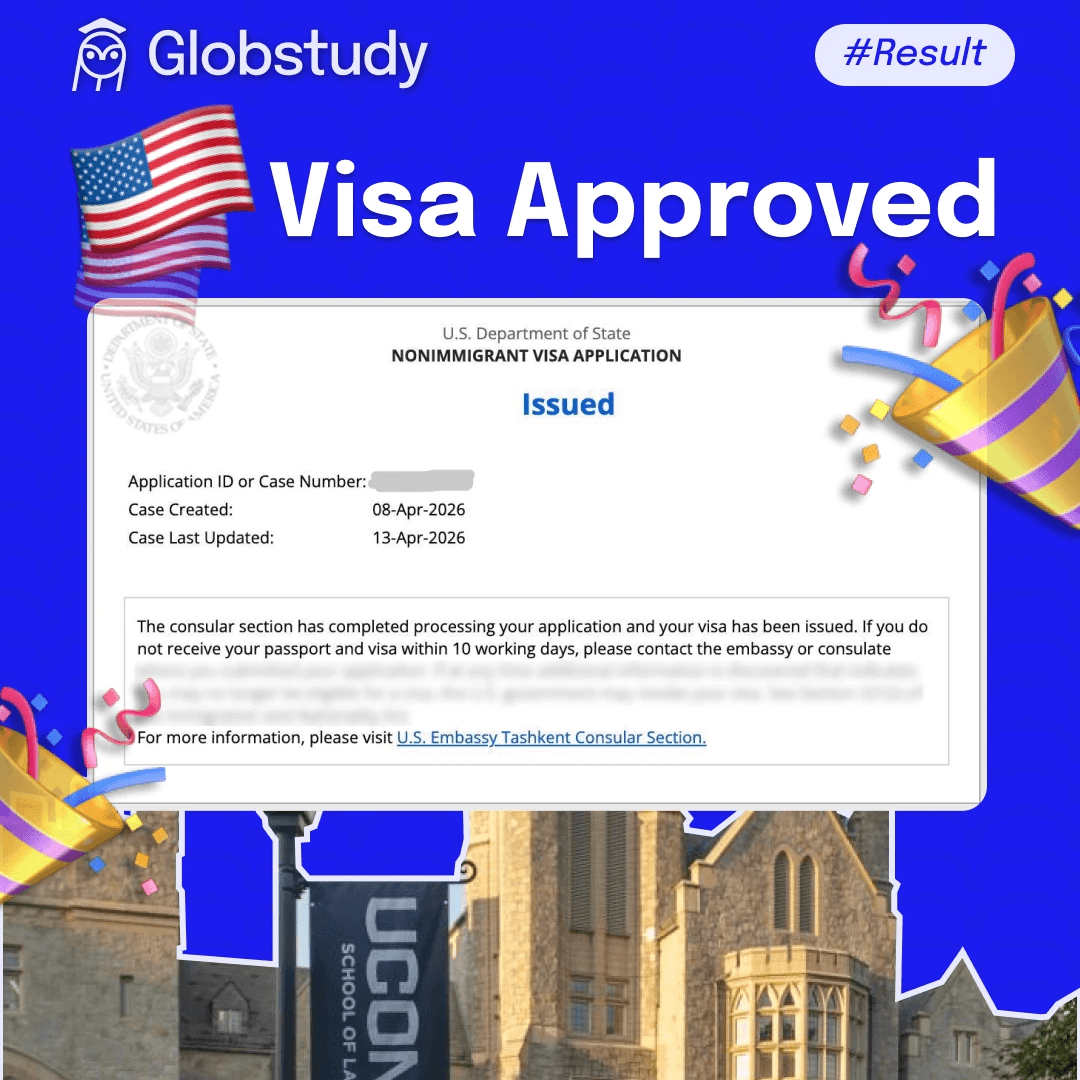
Первая американская виза для осеннего семестра 2026 года

Поздравляем с получением стипендии Фулбрайта!

Президентская стипендия от Норвежской бизнес-школы BI

Партнерство с Istiqbolli Talim
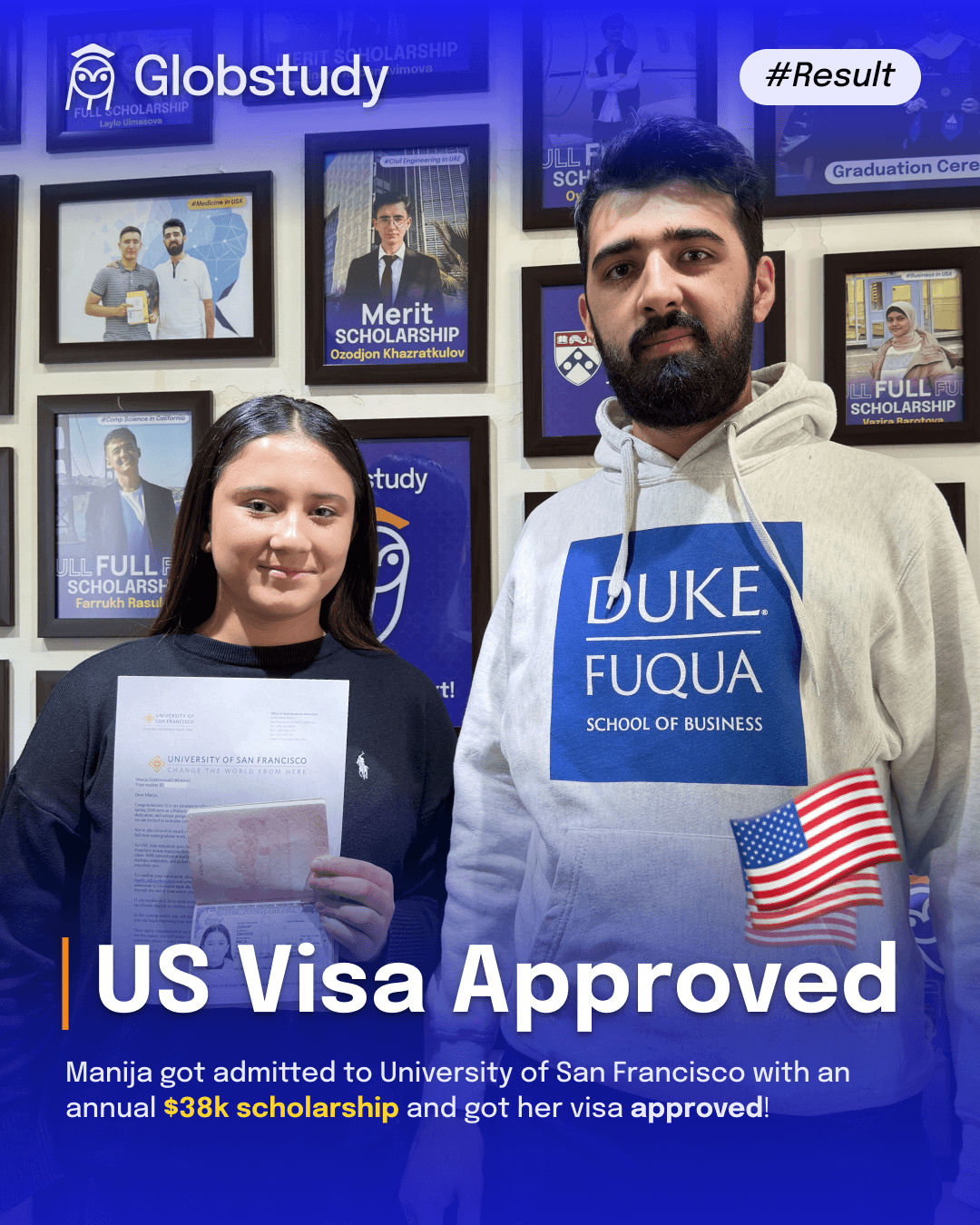
Стипендия в размере 152 000 $ от Университета Сан-Франциско
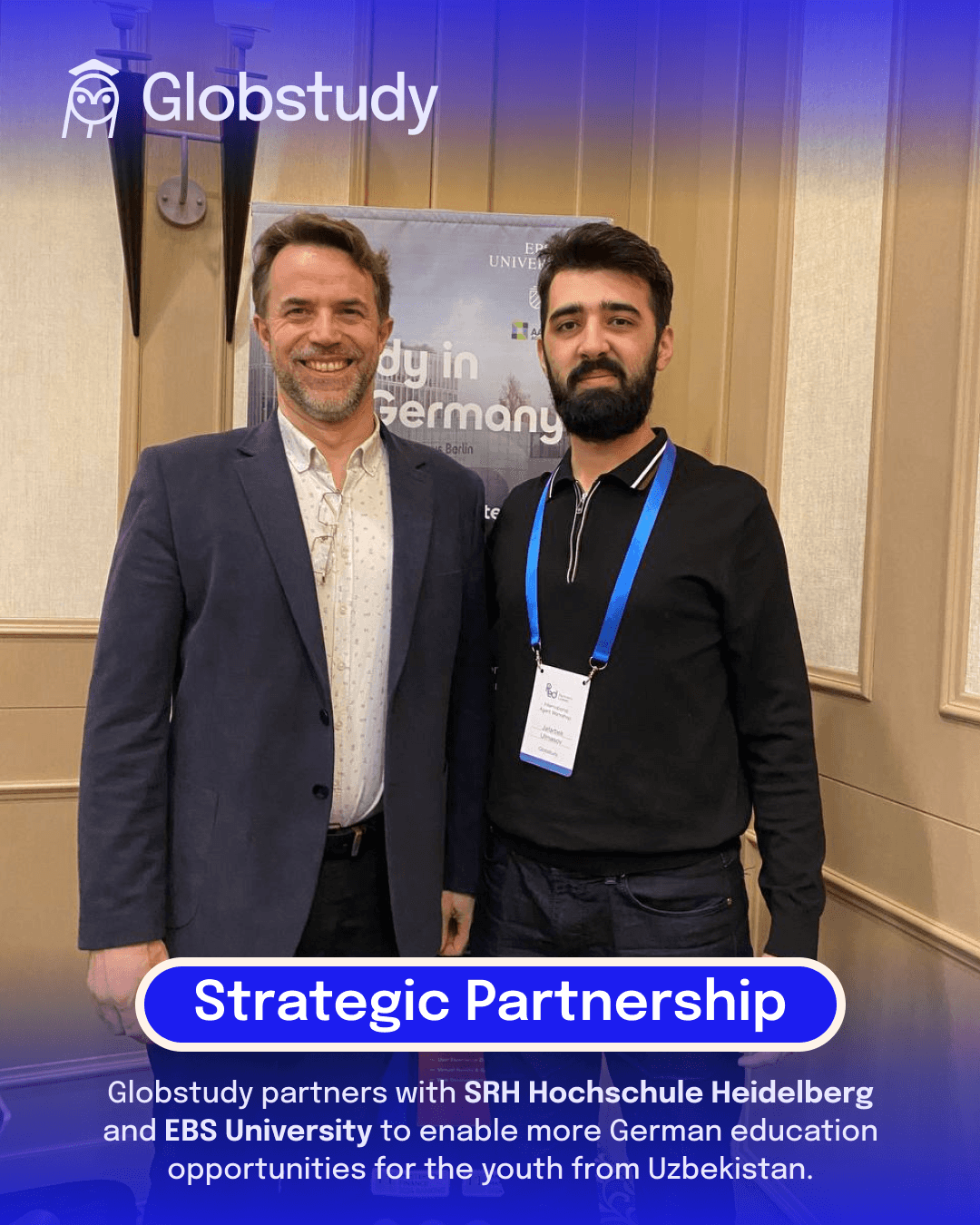
Партнерство с университетами SRH и EBS

Полная стипендия в DKU

Шесть виз одобрено за один день
