

Student Life in the US as an Art Major: Maftuna's Honest Advice
Last year, we shared how Maftunabonu Sayfullaeva secured admission to some of the most prestigious art and design schools in the world, collecting an extraordinary $686,000 in total scholarship offers from institutions including Pratt, SAIC, SCAD, and MICA. She ultimately chose to enroll at CSB in the United States on a $184,000 merit and art scholarship to study Studio Art. Read the full admission story here: Maftuna Admitted to Top 10 Design Schools.
Now, after settling into campus life, Maftuna is sharing something equally valuable: what studying art in the US actually looks like from the inside. No polished brochure language, just honest, practical observations from a student who is living it.
Setting the Right Priorities
One of the first things Maftuna figured out was how to structure her life so that nothing falls apart. Her personal order of priority: studies first, then personal wellbeing, then work.
Keeping that sequence consistent is what allows her to hold a job on the side without feeling like it is pulling her away from her studies. Everything is organized so that each area supports the others rather than competing with them.
She also noticed a shift in how she approaches people. Back home, she was reluctant to put herself forward, afraid of rejection, hesitant to approach someone first. In the US, that changed. The realization that drove it: it is scarier to stay silent and miss an opportunity than to reach out and hear no. That shift in mindset, she says, has opened more doors than any single skill or qualification.
What She Loves Most About Studying in the US
For Maftuna, the biggest surprise was the attitude of her professors. They are genuinely invested in students getting the experience they came for. That means supporting ideas, helping with ongoing projects, and actively making introductions to people in the industry.
It is a different relationship than many students from Uzbekistan are used to, where the classroom dynamic tends to be more formal and one-directional. Here, the professor is closer to a collaborator than an authority figure.
The hardest adjustment, she admits, has been group projects. Working in a team with people from entirely different cultural backgrounds means approaching communication, task distribution, and even disagreement differently. What reads as directness in one culture can feel abrupt in another. Over time, she has learned to adapt, but it remains one of the more genuinely challenging parts of the academic experience.
The Opportunities Are Real
One of the most consistent things Maftuna highlights is how many opportunities exist if you are willing to look for them. Paid and unpaid internships, student clubs, exchange programs, professional events, all of it is accessible. The university also actively sends students information about competitions, programs, and off-campus trips by email, which means keeping up requires little more than reading what arrives in your inbox.
What has stood out most for her as an art student is networking with alumni. At events, she has met people working at institutions like The Metropolitan Museum of Art and founders of their own interior design companies. That kind of access, to professionals who came from the same program and are now building real careers in the field, is something that is hard to replicate elsewhere.
She has also been able to organize her own exhibition and present her work to an audience. For anyone with a creative idea or a project they have been sitting on, the support structure is there. The main requirement is initiative.
Breaks, Weekends, and Life Beyond Campus
Academic breaks in the US look different from what many students expect. Some of Maftuna's peers use the time to work, others pursue internships, and others travel across states, exploring America beyond the campus. The university continues to send program announcements and opportunities even during breaks, so staying engaged does not require any extra effort.
The adaptation challenges are real and worth naming plainly. Winters bring temperatures as low as -30 degrees Celsius. The campus is not close to a major city, which means the Uzbek and Russian-speaking community nearby is smaller than in a place like New York or Los Angeles. Those things take getting used to. But Maftuna's experience mirrors what most students report: what feels foreign and uncomfortable in the first semester gradually becomes ordinary. Adaptation is less a single event and more a slow accumulation of small adjustments.
Making Friends: What Actually Works
Maftuna is open about the fact that building friendships has not been instant or easy for her. She describes herself as not the most naturally social person, and the first weeks and months on a new campus in a new country can feel isolating even for students who are more outgoing.
What worked for her was not forcing connections in the places she felt least comfortable. The friendships that have felt most real came through work, through shared tasks and consistent proximity rather than organized social events. Her main takeaway is straightforward: a great deal depends on your own willingness to initiate. The university provides the tools and the environment. Whether you use them is up to you.
What Maftuna's Story Tells Prospective Art Students
Studying art or design at a top US institution is not a path that many students from Uzbekistan consider seriously, often because the application process feels too complex or too expensive. Maftuna's outcome shows both are misconceptions. The application requires a strong portfolio, focused preparation, and the right guidance, but the scholarship funding available at US art schools is substantial and real.
Her honest account of student life is equally important. The US is not uniformly easier or harder than studying at home. It is different in ways that take time and intention to navigate. The students who do well are the ones who come prepared for that, not expecting it to be seamless, but willing to adapt.
Thinking About Art, Design, or Any Creative Program in the US?
Globstudy has guided students through art and design applications, portfolio preparation, scholarship strategy, and visa processes for programs across the United States. Whether you are targeting Studio Art, Interior Design, Graphic Design, or Architecture, the earlier you start building your application, the stronger your position.
Book a free consultation with Globstudy to find out which US programs fit your creative profile and what a realistic path to admission looks like for you.

TRU Canada Seminar in Tashkent: Oct 9

Rifat's Road to McGill, Canada

Full-Ride to McGill Medicine: Sevara's Scholarship

Admitted to Top 30 Law School in the US

Sabrina Wins a Full Scholarship to CUHK

Admitted to Top 2 Aviation College in the US
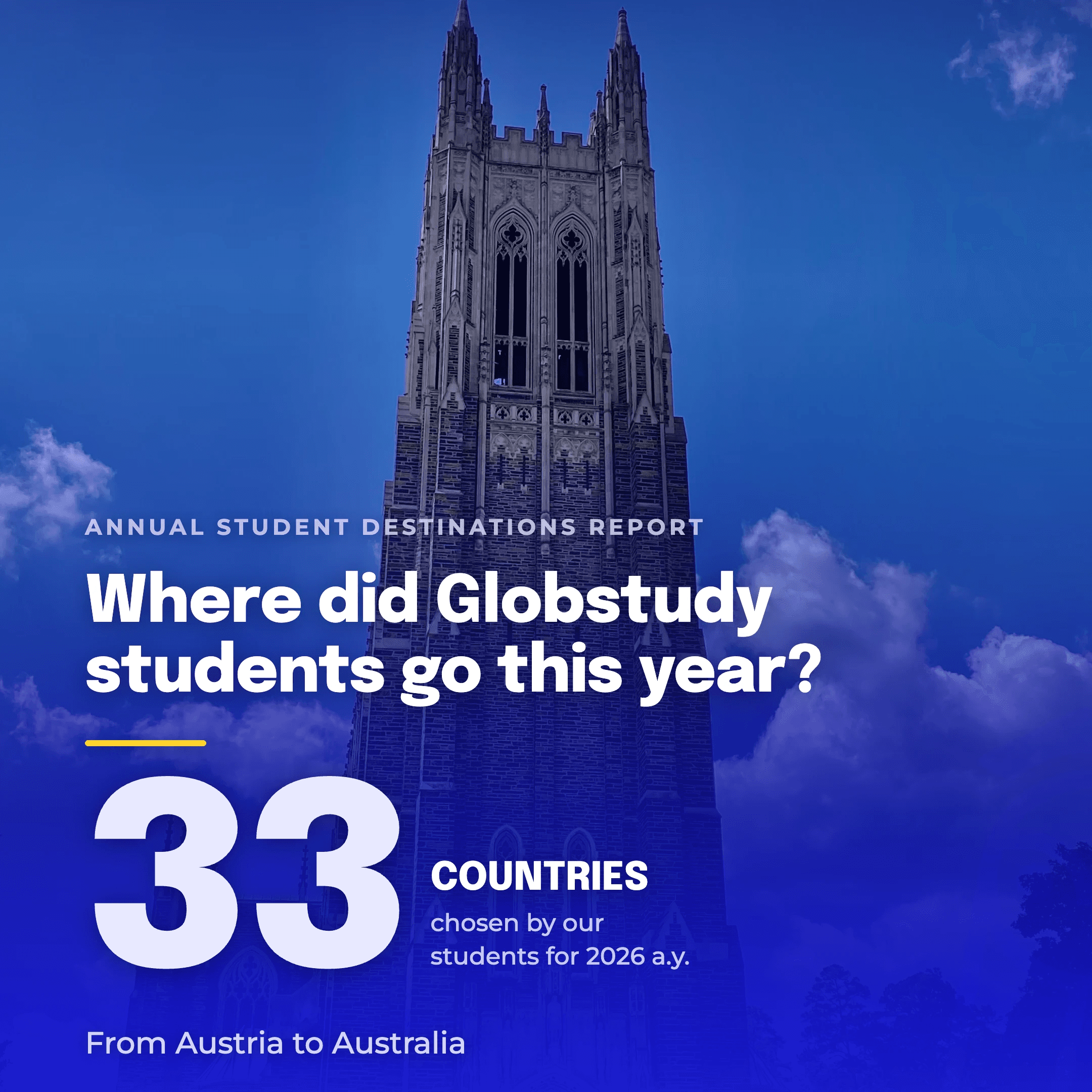
GS Student Destinations Report 2026

GS Students in Shanghai Summer School '26

Two F-1 Visas Approved: Penn State and WMU

SKY Admission Results '26
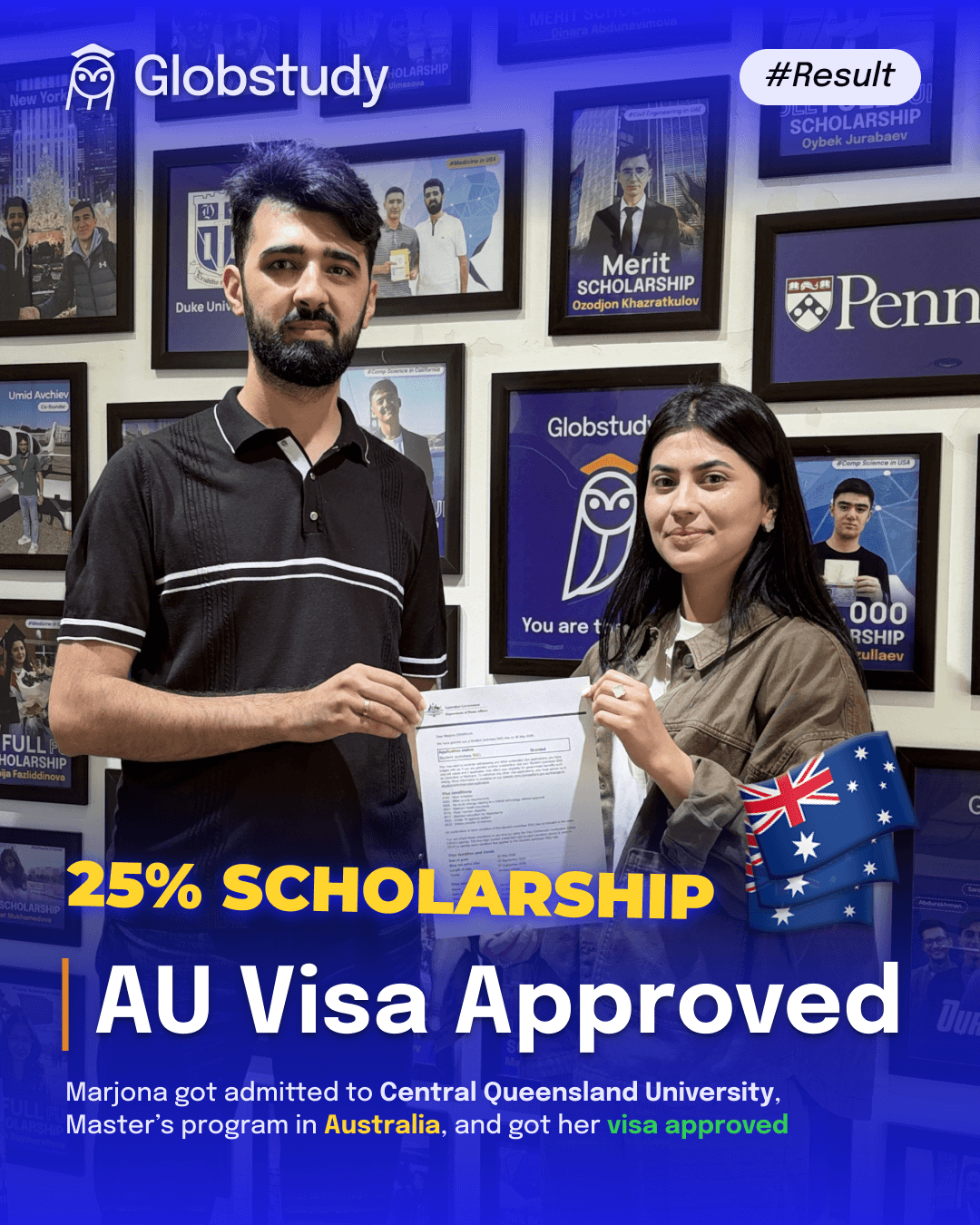
Marjona got Australian Visa Approved

2 Full-ride Scholarships from HIT-Sz
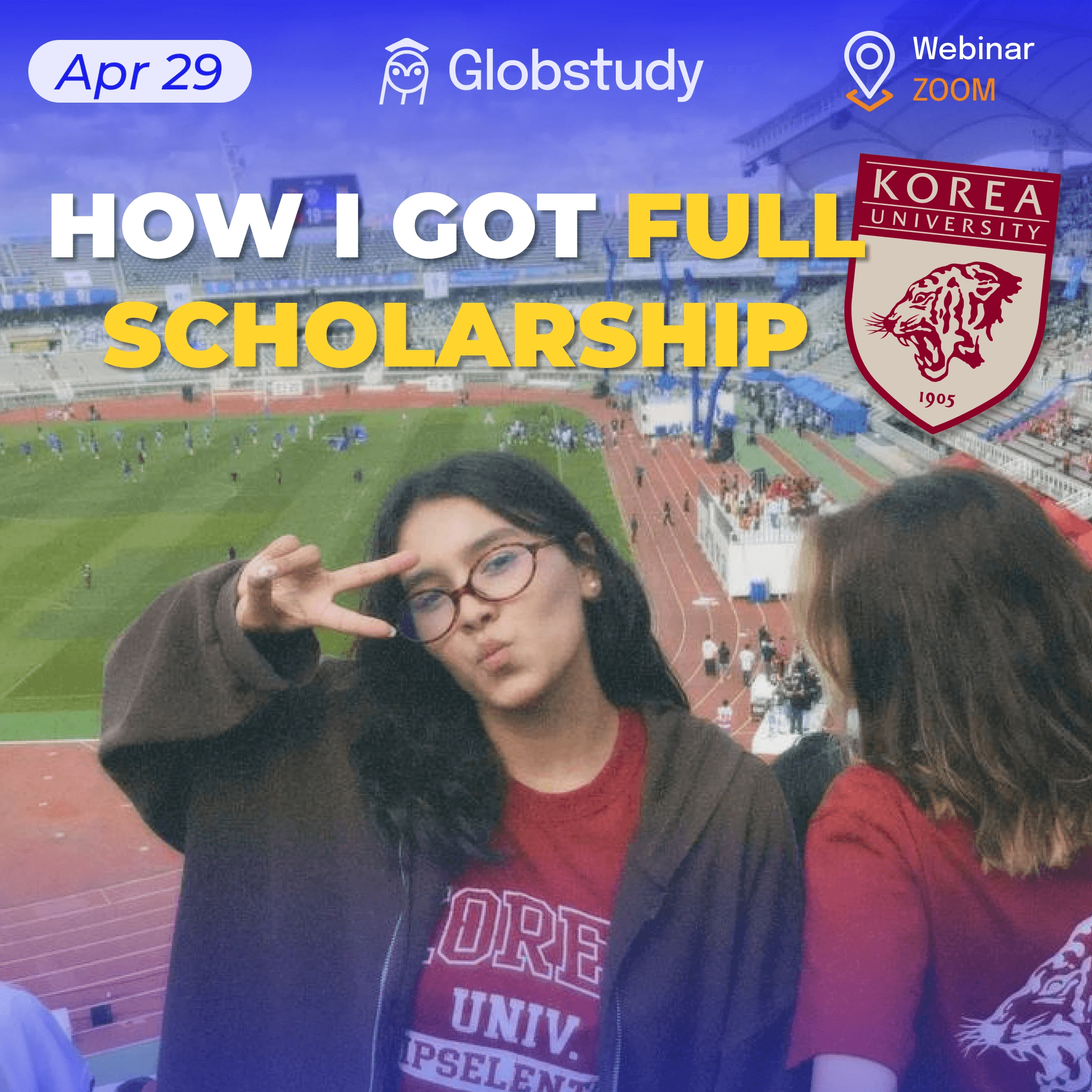
Full Scholarship to KU: Sevinch's Story
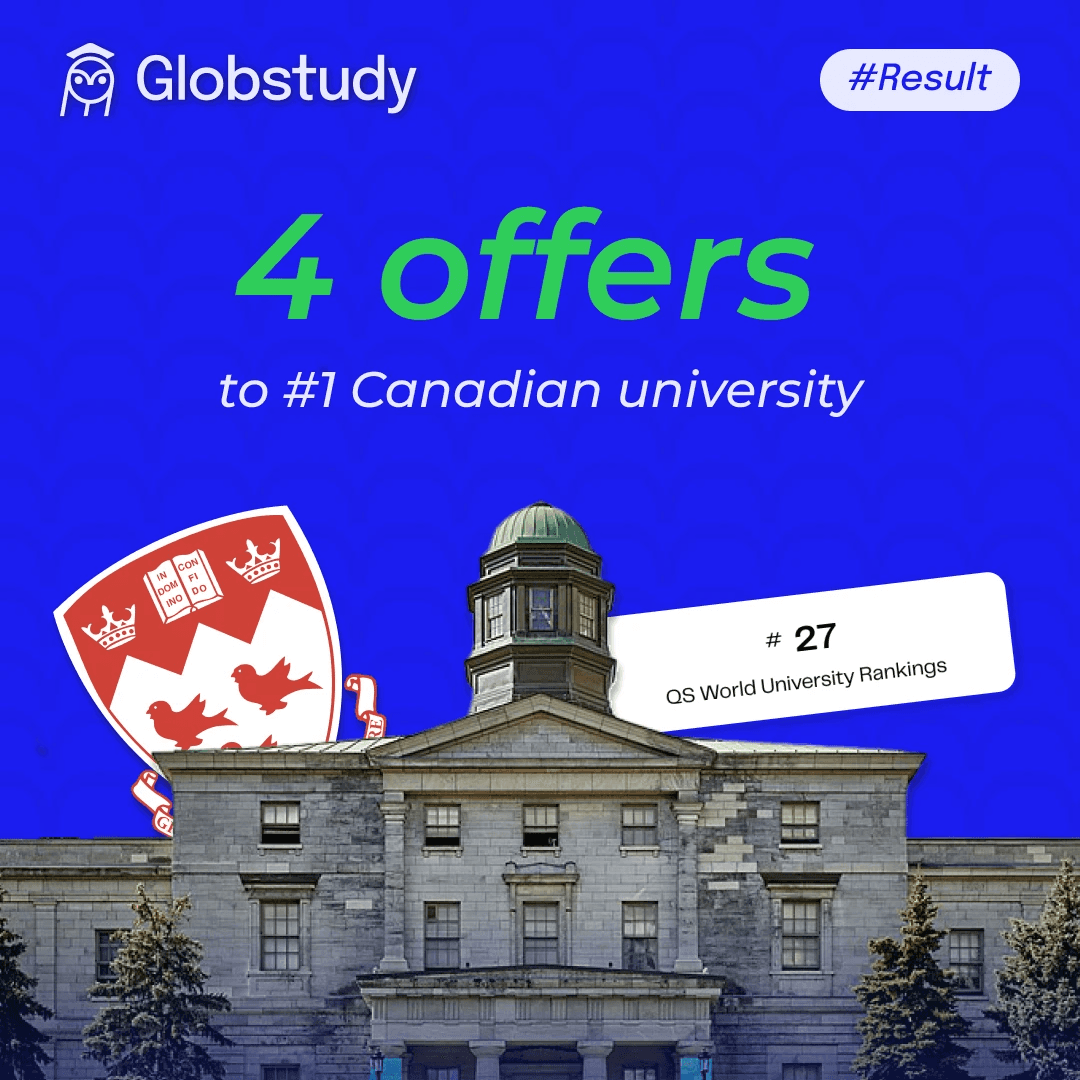
4 Admission Offers from McGill University
First American Visa for Fall 2026 Term

Congrats with Fulbright Scholar Award

Presidential Scholarship from BI Norwegian

Partnership with Istiqbolli Talim
$152k scholarship from Uni of San Francisco
Partnership with SRH and EBS University
Mukhammadali got Full Scholarship at DKU

Six Visas Approved in One Day
