
🇦🇺 Studying in Australia in 2026: Complete Admission & Visa Guide for Uzbekistani Students
Australia remains one of the most attractive destinations for international students, not only because of its world-class universities, but also due to its flexible education system, strong career outcomes, and post-study work opportunities.
If you are planning to apply for 2026 intake, this guide will walk you through everything: academic pathways, intakes, tuition costs, scholarships, visa process, work rights, and important deadlines.
Understanding the Australian Academic Calendar
Unlike many countries that offer only two intakes per year, Australia operates on a trimester system.
There are three main intakes:
Trimester 1 (T1): February / March
Trimester 2 (T2): July
Trimester 3 (T3): October / November
This system gives students flexibility. However, there are important differences depending on your pathway.
Foundation programs are generally available in all three trimesters, which makes planning easier. Direct Bachelor programs are usually available only in T1 and T2, while Master’s programs are mostly offered in T1 and T2, with limited options in T3.
For Uzbekistani students, this flexibility is especially useful if IELTS or SAT preparation requires additional time.
Admission Pathways for Uzbekistani Students
Foundation + Bachelor (Most Common Route)
For most students graduating from Uzbek schools, the standard pathway is:
8–12 months of Foundation
3 years of Bachelor
Total duration: approximately 4 years
Foundation programs are designed to bridge the gap between Uzbek secondary education and the Australian university system. They prepare students academically and improve English proficiency before entering the main degree.
This pathway is safe, structured, and recommended for students without international exam results.
Direct Entry to Bachelor with SAT/ACT
Students with strong academic records and a competitive SAT score (usually 1200+) may qualify for direct Bachelor entry.
In addition to SAT, students must meet English requirements, typically:
IELTS 6.5+ (depending on university and program)
Direct entry saves one year and reduces total study costs. However, eligibility depends on university assessment and chosen major.
Master’s Degree in Australia
For students who already hold a Bachelor’s degree, Australia offers high-quality Master’s programs lasting 1.5–2 years.
Requirements typically include:
Bachelor diploma and transcript
IELTS 6.5–7.0
CV
Motivation letter
Sometimes recommendation letters
Australian Master’s degrees are internationally recognized and often lead to strong post-study employment options.
Tuition Fees and Living Costs
One of the most common questions students ask is: How much does it cost?
Tuition Fees (Average per Year)
Foundation: AUD 22,000 – 30,000
Bachelor: AUD 28,000 – 45,000
Master’s: AUD 30,000 – 50,000
Top universities may charge more, especially in medicine, engineering, or business.
Living Costs
The Australian government recommends budgeting approximately:
AUD 21,000 – 27,000 per year
This includes accommodation, food, transport, insurance, and personal expenses.
Cities like Sydney and Melbourne are more expensive, while Adelaide, Perth, and regional cities are more affordable.
Scholarship Opportunities
Australia does not commonly offer full undergraduate scholarships for international students. However, many universities provide partial scholarships ranging from 10% to 30% of tuition fees.
These are usually:
Merit-based
Automatically assessed during admission
Based on GPA or SAT score
Master’s programs often have more scholarship opportunities than undergraduate programs.
Strong academic performance significantly increases scholarship chances.
Recommended Australian Universities
Choosing the right university is one of the most important decisions in your academic journey. Australia is home to globally ranked institutions, strong industry connections, and research-driven environments.
Universities are often grouped into different tiers, and one of the most prestigious groups is known as the Group of Eight (Go8).
The Group of Eight (Go8) Universities
The Group of Eight represents Australia’s leading research-intensive universities. These institutions are comparable to Ivy League universities in the United States or Russell Group universities in the United Kingdom.
Go8 universities:
Produce the majority of Australia’s research output
Have strong global rankings
Offer advanced facilities and research labs
Maintain strong industry and international partnerships
Provide competitive career outcomes
For high-achieving students, especially those targeting research, corporate careers, or future PhD studies, Go8 universities are an excellent choice.
The eight Go8 universities are:
University of Melbourne
University of Sydney
Australian National University
Monash University
University of Queensland
University of Western Australia
University of Adelaide
University of New South Wales
Why Choose a Go8 University?
Students who select Go8 institutions usually benefit from:
Higher global recognition
Stronger employer reputation
Competitive internship networks
Research-focused environment
Larger alumni networks worldwide
However, tuition fees at Go8 universities are typically higher, and admission requirements are more competitive. English scores and academic performance must be strong.
For Uzbekistani students with excellent GPA and SAT scores, Go8 universities are absolutely achievable with proper preparation.
Strong & More Affordable Alternatives
For students looking for strong education with slightly more affordable tuition:
Deakin University
Griffith University
University of Wollongong
Western Sydney University
La Trobe University
Central Queensland University
Queensland University of Technology
Torrens University
These universities offer strong practical programs, have good industry connections, provide attractive scholarships, and are often more flexible for direct admission.
In many cases, the difference in career outcomes depends more on the student’s performance than the university ranking itself.
How to Choose the Right University
When selecting a university, students should consider:
Budget and tuition fees
Scholarship availability
Major and specialization strength
City and living cost
Career goals (migration, research, corporate sector)
For students targeting long-term migration or post-study work opportunities, program selection and location can also play a strategic role.
The key is not simply choosing the highest-ranked university, but selecting the institution that aligns best with your academic background, financial situation, and future plans.
Required Documents for Application
For Foundation or Bachelor:
Passport copy
High school diploma and transcript
IELTS / TOEFL
SAT (if applying for direct entry)
Personal statement
For Master’s:
Bachelor diploma and transcript
IELTS
CV
Motivation letter
Employment history (if applicable)
Recommendation letters (if required)
Preparation should begin at least 6 months before intended intake.
Application Deadlines
Although Australian universities accept applications on a rolling basis, it is highly recommended to apply early.
For February intake: Apply by October–November.
For July intake: Apply by March–April.
For November intake: Apply by July–August.
Early application increases chances of scholarship and smooth visa processing.
Student Visa Process (Subclass 500)
After receiving an offer, the process continues with visa application.
Steps include:
Receive offer letter
Meet conditions (English, financial proof, deposit payment)
Obtain Confirmation of Enrolment (CoE)
Purchase Overseas Student Health Cover (OSHC)
Prepare Genuine Student (GS) statement
Apply for Subclass 500 visa
Complete biometrics and medical exam (if required)
Visa processing typically takes 4–8 weeks.
The Genuine Student statement is extremely important and must clearly explain academic purpose and career plans.
Work Opportunities During Study
Australian student visa allows:
48 hours per fortnight during semester
Unlimited hours during official holidays
Minimum wage is approximately AUD 23–24 per hour, depending on location and type of work.
Many students work in:
Cafes and restaurants
Retail stores
Delivery services
University administration
This allows students to partially cover living expenses.
Post-Study Work Opportunities
After graduation, students may qualify for the Temporary Graduate Visa (Subclass 485).
Post-study work duration depends on qualification:
Bachelor: 2–3 years
Master’s: 3–5 years
Australia also offers migration pathways in certain in-demand professions.
Why Start Planning Now?
Studying in Australia requires strategic preparation:
English exam preparation
Financial planning
Scholarship strategy
University selection
Visa documentation
Students who start early have higher chances of success, scholarship awards, and smoother visa approval.
Final Thoughts
Australia offers flexibility, strong global degrees, multicultural society, and real career opportunities after graduation.
For Uzbekistani students, pathways are clear:
Foundation + Bachelor
Direct Bachelor with SAT
Master’s or PhD programs
With three intakes per year and structured visa process, planning properly is the key to success.
If you are considering Australia for 2026, now is the right time to begin your preparation.
GS Student Destinations Report 2026

Full-Ride to McGill Medicine

GS Students in Shanghai Summer School '26

Two F-1 Visas Approved: Penn State and WMU

2 offers from Shanghai JiaoTong University

SKY Admission Results '26

Sabrina got Full Scholarship from CUHK

Dilshod got Full Ride from McGill University
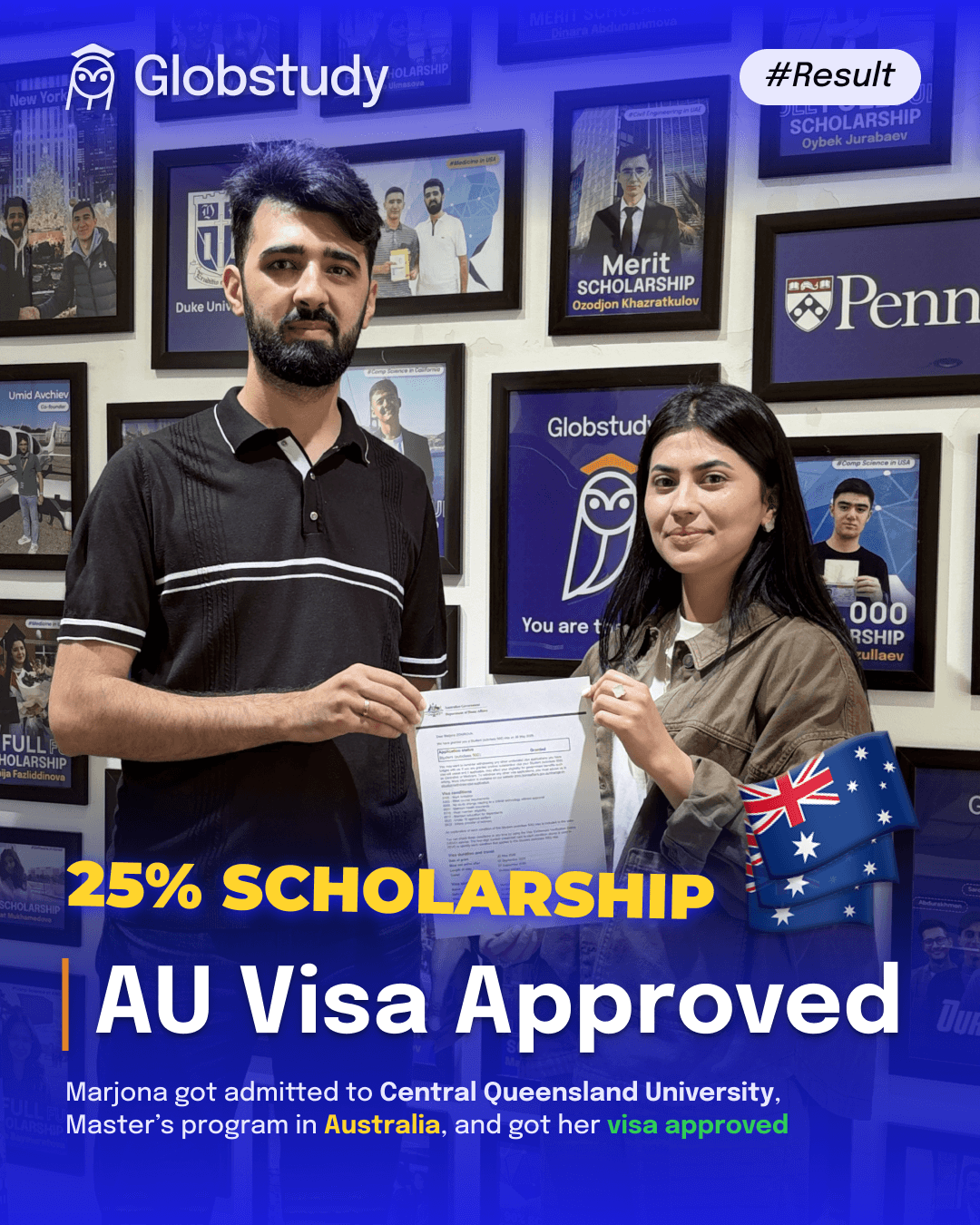
Marjona got Australian Visa Approved
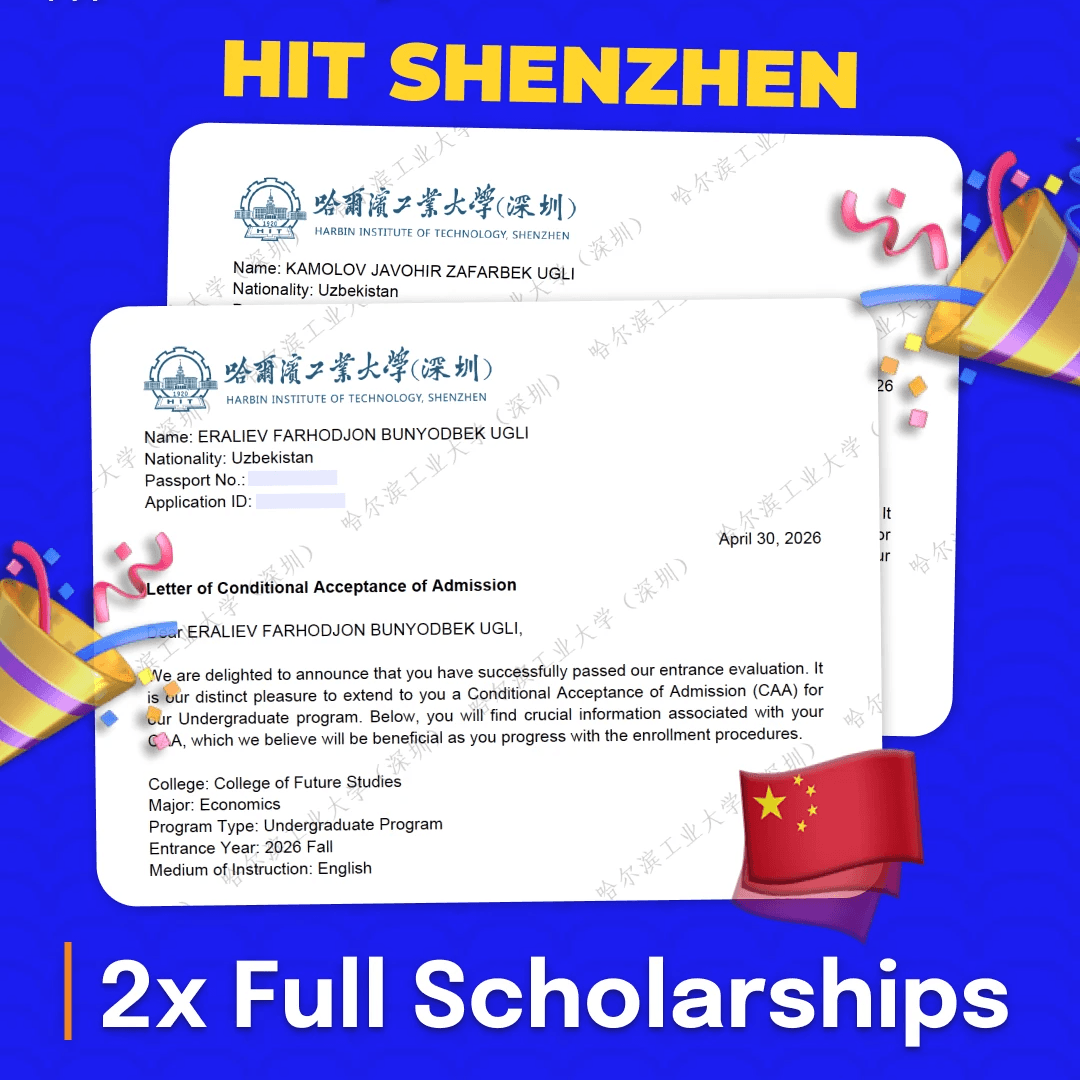
2 Full-ride Scholarships from HIT-Sz

Full Scholarship to KU: Sevinch's Story
4 Admission Offers from McGill University
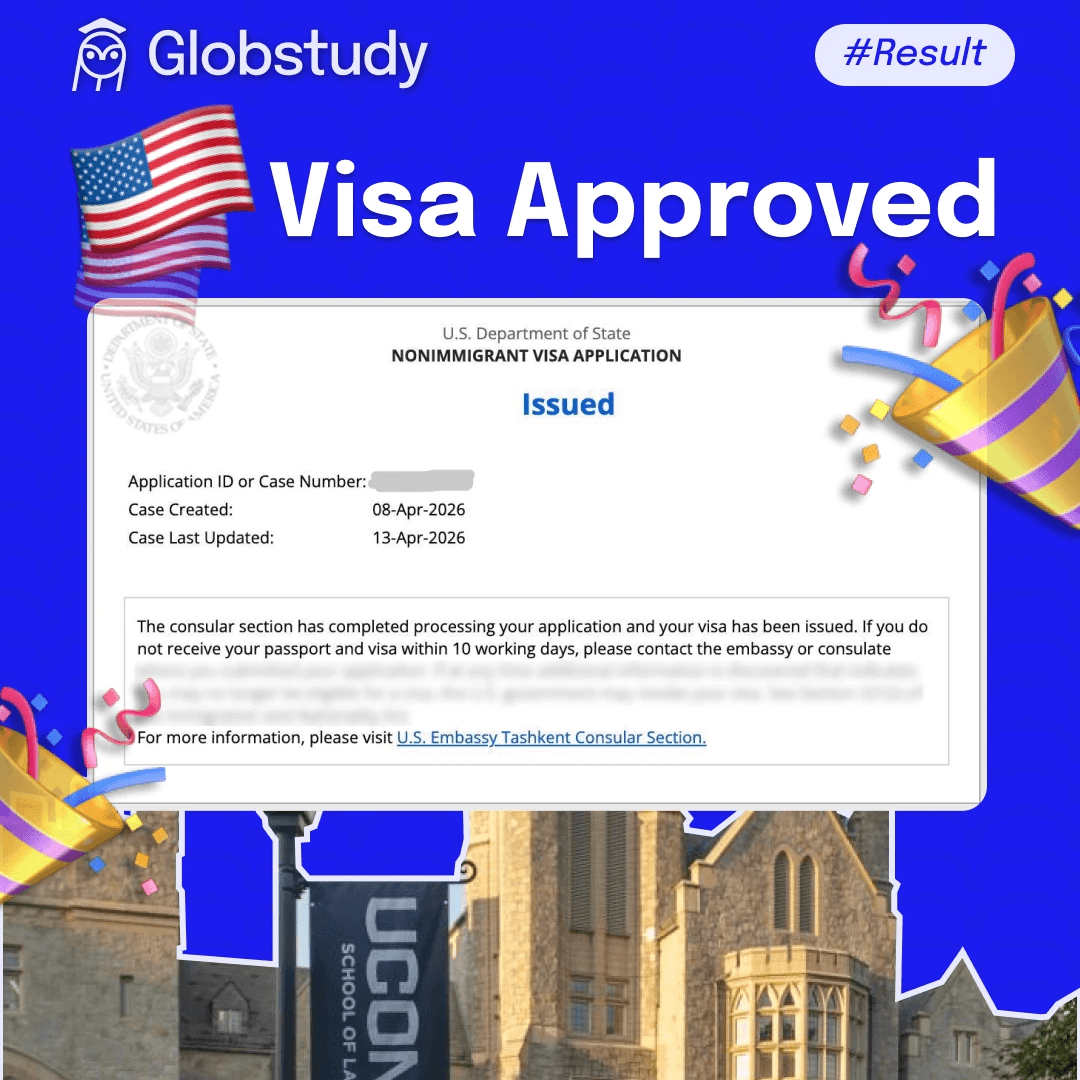
First American Visa for Fall 2026 Term
Congrats with Fulbright Scholar Award

LLM Admission to Top U.S. Law Schools

Presidential Scholarship from BI Norwegian
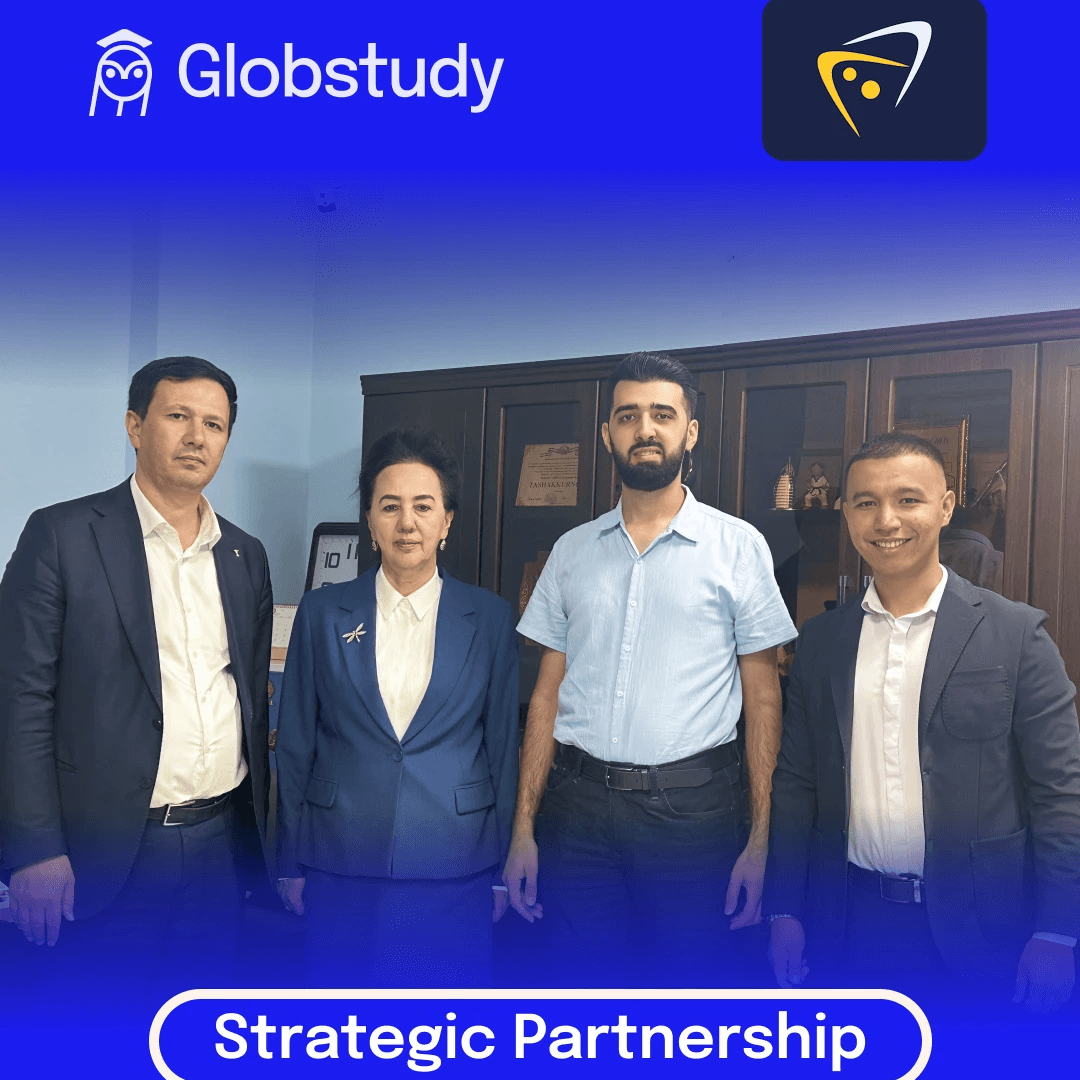
Partnership with Istiqbolli Talim
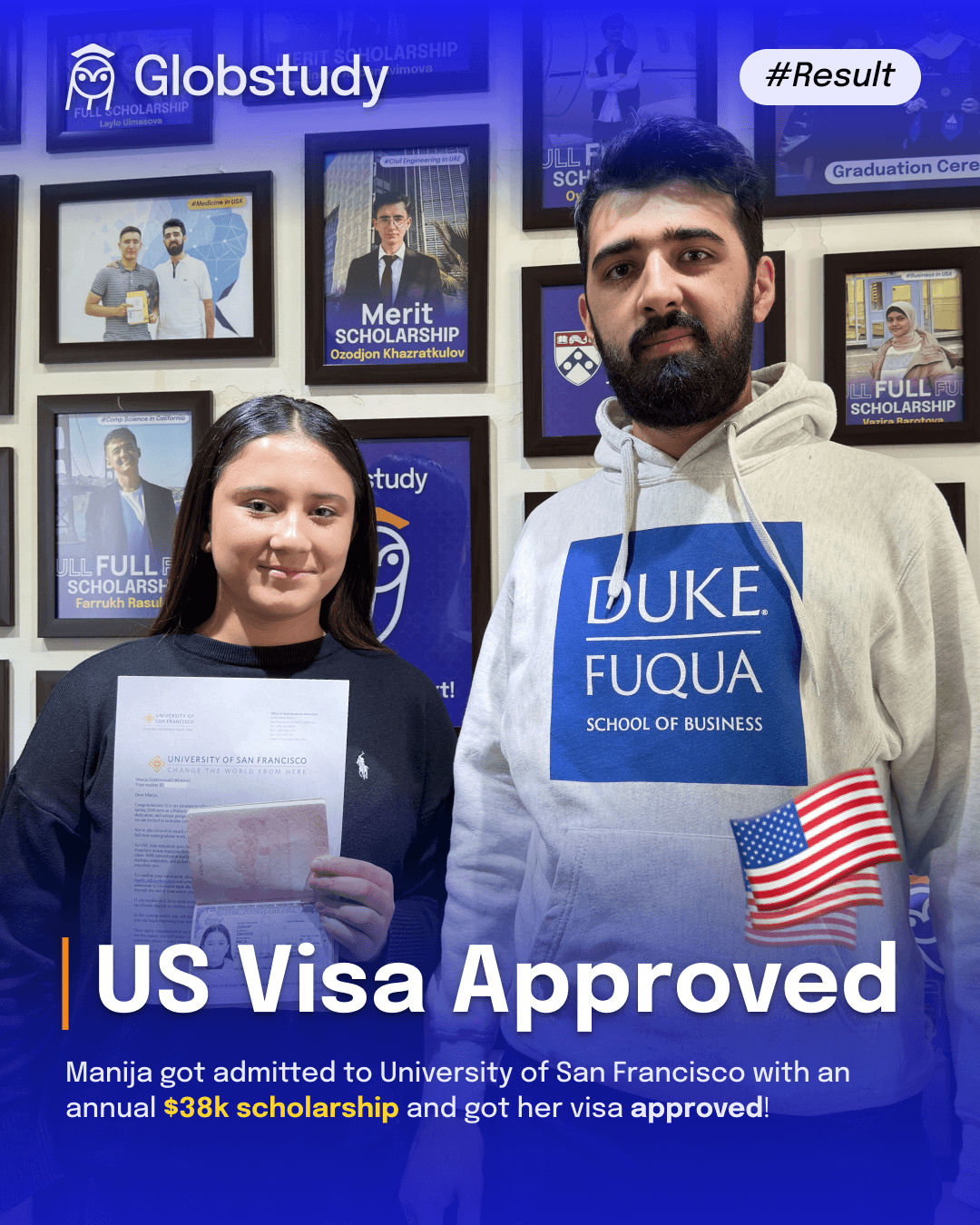
$152k scholarship from Uni of San Francisco
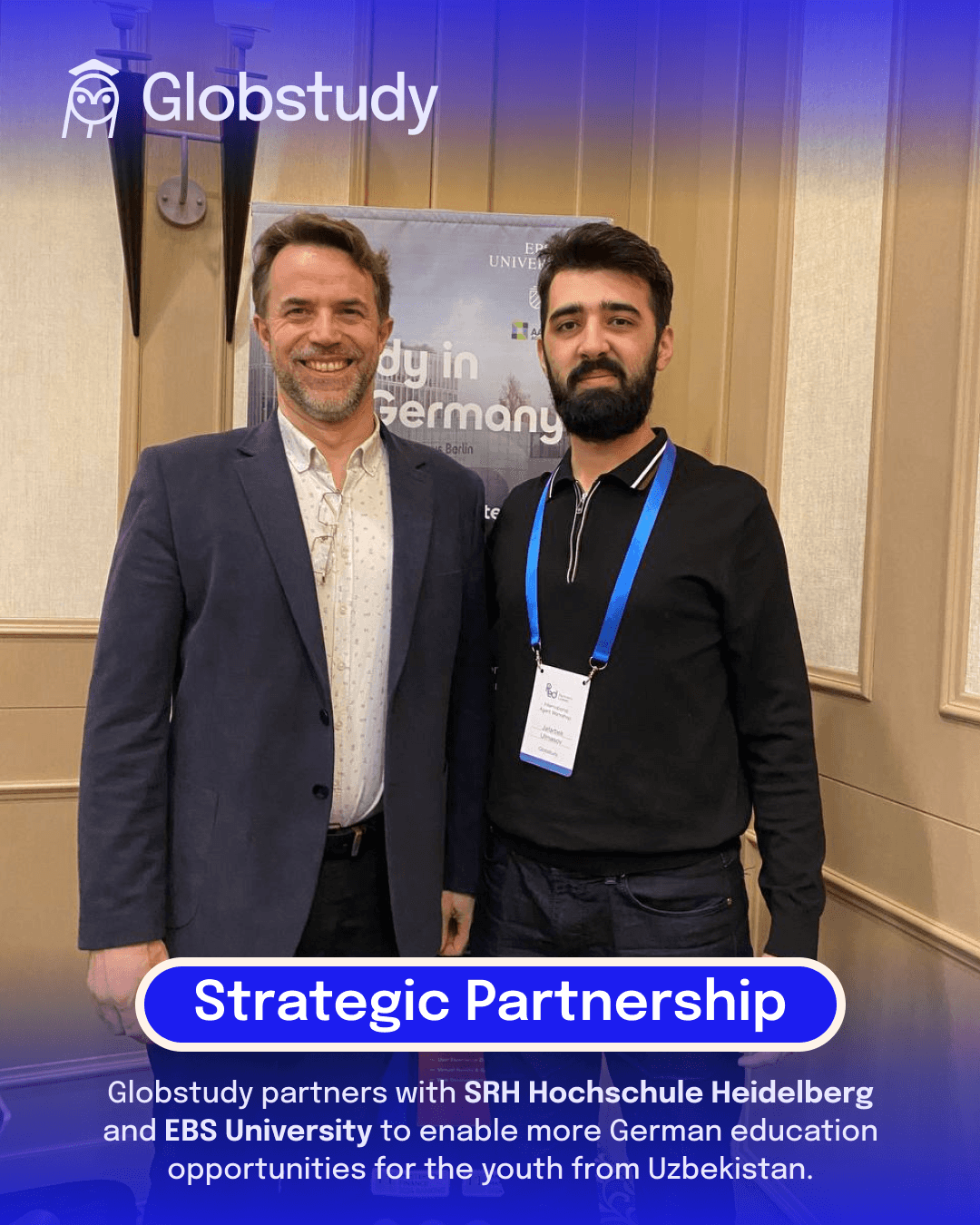
Partnership with SRH and EBS University

Mukhammadali got Full Scholarship at DKU

Six Visas Approved in One Day
